Day 3
The Trial
Truth standing before power
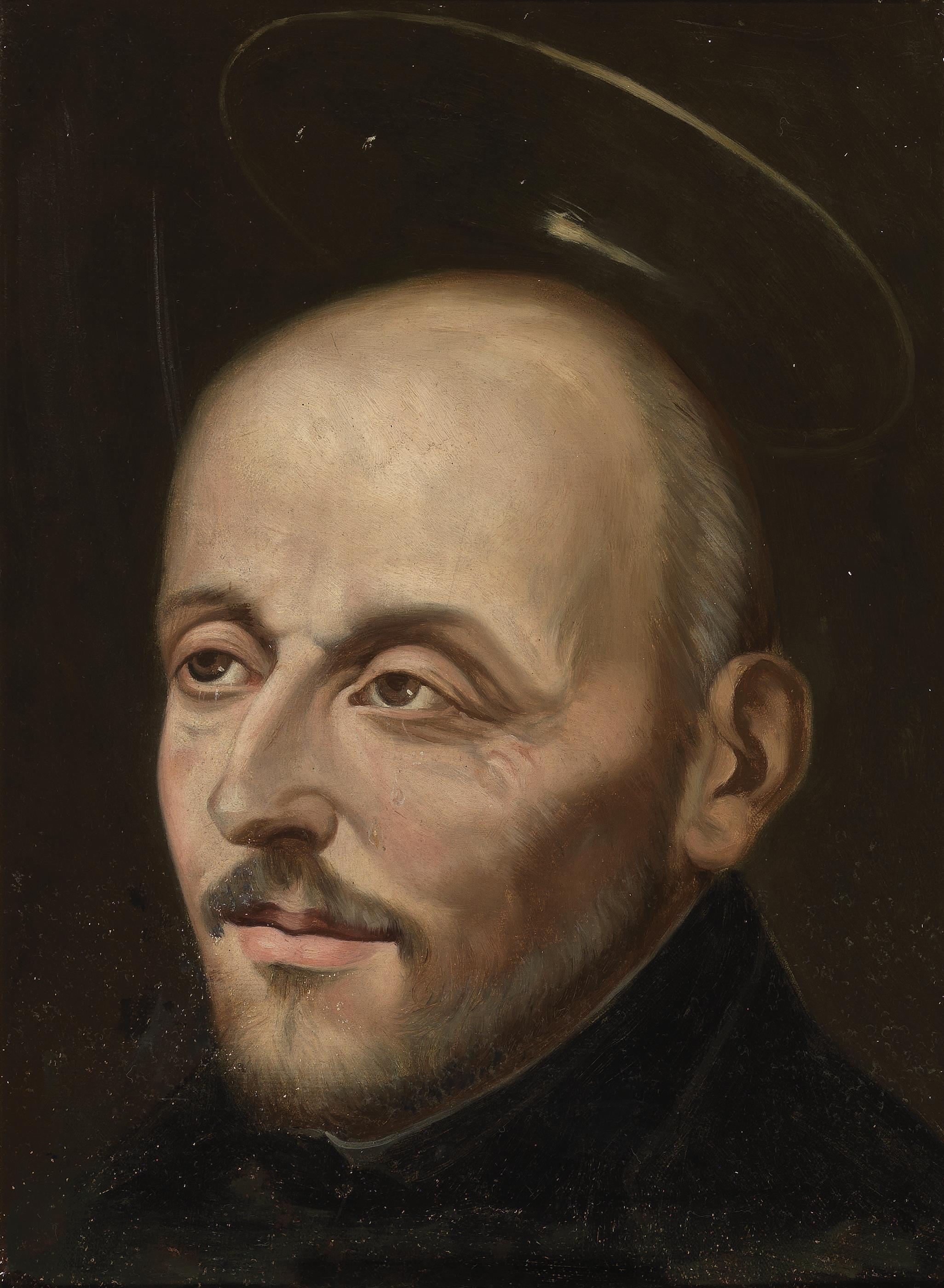
17th century
Grace to ask for
Lord, let me stand with You in the places where truth is unwelcome.
""You are a king, then!" said Pilate. Jesus answered, "You say that I am a king. In fact, the reason I was born and came into the world is to testify to the truth. Everyone on the side of truth listens to me." "What is truth?" retorted Pilate."
John 18:37–38
Composition of Place
Stand in Pilate's courtyard. See the spectacle: the Son of God before a Roman governor, accused by his own people's leaders. The crowd is calling for a murderer to be freed and an innocent man to be executed.
Points for Meditation
He was silent
"He made no reply, not even to a single charge — to the great amazement of the governor." The silence of Jesus before his accusers is one of the most powerful moments in the Passion. He who is the Word refuses to speak. He who could defend himself does not. He who is Truth stands quietly before the question "What is truth?"
Pilate's cowardice
Pilate knew Jesus was innocent. He said so, three times. And he crucified him anyway — because the crowd was threatening, because his position was at risk, because truth was less important than order. This is not an ancient failure. It is a contemporary one. Where have you known the right thing and done the expedient thing instead?
Ecce Homo
"Behold the man." Pilate presents him as a pathetic figure, hoping to satisfy the crowd's appetite for humiliation without having to execute him. But the words are more than he knows: this is the man. The human being at its most human — stripped of every protection, standing in truth, offering himself for those who reject him.
Colloquy
Ask for the courage to stand with truth when it is costly. Ask to be the kind of person who, when the crowd calls for expediency, hears the voice of Christ instead.
Remain in silence for a few minutes.
Do not rush to the next exercise.